
The world of business is changing at lightning speed. Many firms wonder how some rivals grow so fast while others struggle. However, the answer lies in a new way of building a company. Because of this, staying ahead means looking toward smart tech as your core. Specifically, AI-native companies are now leading the charge. They offer a clear path to speed, better work, and a very modern way to lead. This shift is not just about using tools. In fact, it is about being built from the ground up with smart tech. Consequently, understanding this impact helps you see why they win. You will see a clear gain by following this powerful lead.
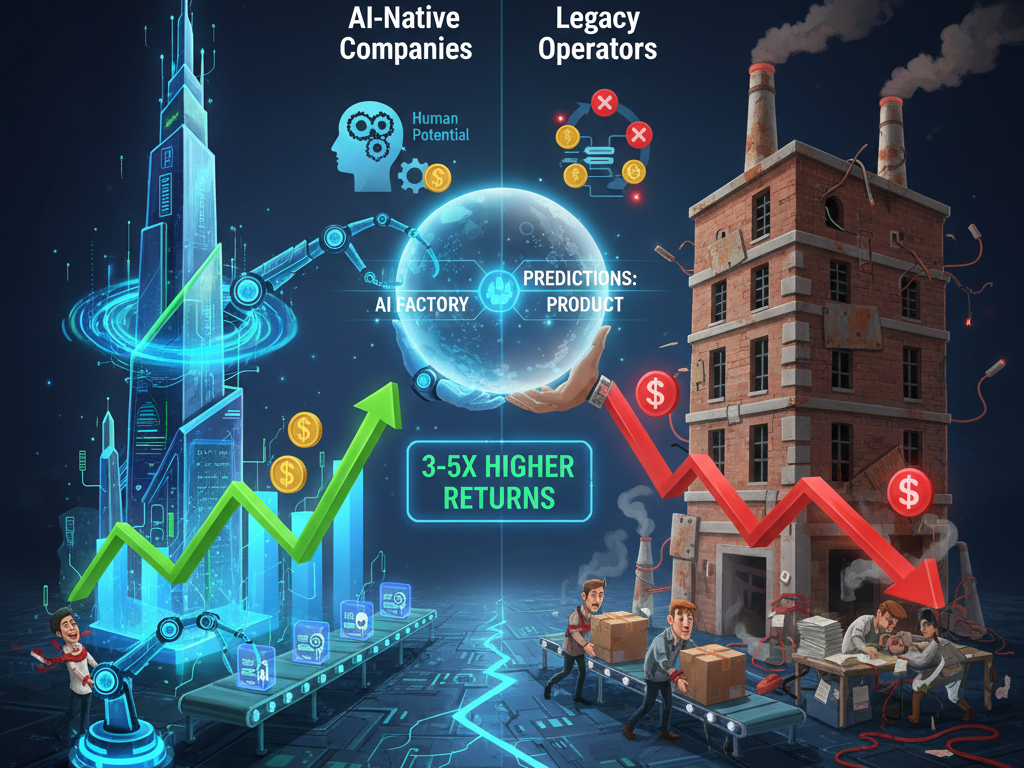
Think of old buildings versus new, sleek towers. Legacy operators often have deep, complex foundations. These were built for a different time and slower pace. However, AI-native companies start fresh. They bake smart tech into every single part of their work. From the first idea to the final product, AI guides each step. This means they are not just using AI; they are AI in their very core. This design choice makes them incredibly fast. It allows them to adapt and change with ease. Consequently, they can launch new services far quicker than their older rivals. This speed gives them a huge edge in the market every single day.
Legacy operators often collect tons of data. However, this data might sit in silos, hidden from other teams. AI-native companies, in contrast, treat data like fresh air. It flows freely and constantly through their systems. Their AI learns from every single bit of information, all the time. This creates a powerful learning loop. They get smarter with every customer click, every purchase, and every service interaction. This constant learning allows them to spot trends before anyone else. Therefore, they can offer better products and services faster. This deep understanding of data is a game-changer. It helps them predict what customers want next.
In older firms, big decisions often come from long meetings. They might rely on past methods or a few key leaders. This can be slow and sometimes biased. However, AI-native companies use algorithms to make choices. Their smart systems process vast amounts of data in seconds. They identify the best path forward based on clear facts. This doesn’t mean humans are out of the loop. Instead, it means human leaders can focus on bigger ideas. They trust the AI to handle the small, complex choices. This leads to much faster decision-making. It ensures that every move is backed by solid data, not just gut feelings.
Legacy operators might try to personalize services. However, this often involves broad groups or basic settings. AI-native companies take personalization to a whole new level. Their AI understands each customer as an individual. It learns their habits, preferences, and even their moods. This allows them to offer highly tailored products, suggestions, and support. Imagine a service that knows exactly what you need before you even ask. This deep level of personalization builds strong loyalty. It makes customers feel truly valued. Consequently, they are less likely to switch to a competitor.
Older firms can struggle with growth. Adding new services or expanding to new markets often means hiring many more people. This can be costly and slow. But AI-native companies are built to scale with ease. Their AI systems can handle a massive increase in users or products. They can automate many tasks that older firms do by hand. This means they can grow their reach without huge jumps in staffing or costs. For example, an AI-powered customer service bot can assist thousands of users at once. This ability to scale rapidly gives them a distinct advantage. It allows them to dominate new areas very quickly.
Innovation in legacy operators can be a long, drawn-out process. It might involve many layers of approval and slow testing cycles. However, AI-native companies have innovation built into their DNA. Their AI constantly finds new ways to improve. It tests new ideas and learns from the results in real-time. This creates a culture of endless evolution. They are always trying new things and getting better. This fast pace of innovation keeps them ahead of the curve. It ensures they always offer the latest and best solutions to their customers. They are never stuck in old ways of thinking.
The contrast between these two types of companies is stark. AI-native companies are proving that speed, data insight, and personalized service win. Legacy operators face a clear choice: adapt or risk becoming obsolete. This doesn’t mean older firms are doomed. However, it does mean they must embrace AI at a much deeper level. They need to rethink their structures and put AI at the core of their strategies. This will require big changes and bold decisions. The digital economy waits for no one, after all. The future belongs to those who are built for speed and powered by intelligence.
1 What is an AI-native company?
It’s a business built from the ground up with AI at its core. Every process uses smart tech.
2 How do they execute faster?
They have AI embedded in all operations, from data flow to decisions, allowing rapid action.
3 What’s the main difference from legacy firms?
Legacy firms add AI to old systems. AI-native firms design their systems around AI.
4 How does AI help with personalization?
AI-native companies use AI to understand each customer deeply, offering highly tailored services.
5 Can legacy companies compete?
Yes, but they must deeply integrate AI into their core strategies and operations to keep up.
Read More:
Can scaling via generative ai make your work much easier?
Does scaling with nurturing unlock your business growth?
Why is Scaling Support with AI the Best Growth Hack?
