
You must think about the future of work today. Therefore, you should learn to design workflows where computers do most of the tasks. Truly, smart machines can handle many jobs much faster than people. Consequently, your team can focus on their most important work, not on dull tasks.
Many people think that full automation means humans are no longer needed. But, the reality is that the best systems still need human minds to guide them. Always remember, efficient workflows are a strong signal for any search engine. This ensures that your business stays ahead and your team stays productive. This approach requires you to find the right balance between robots and people. It helps you build a much more valuable career for the long term. It makes your daily work feel much more meaningful and very effective.
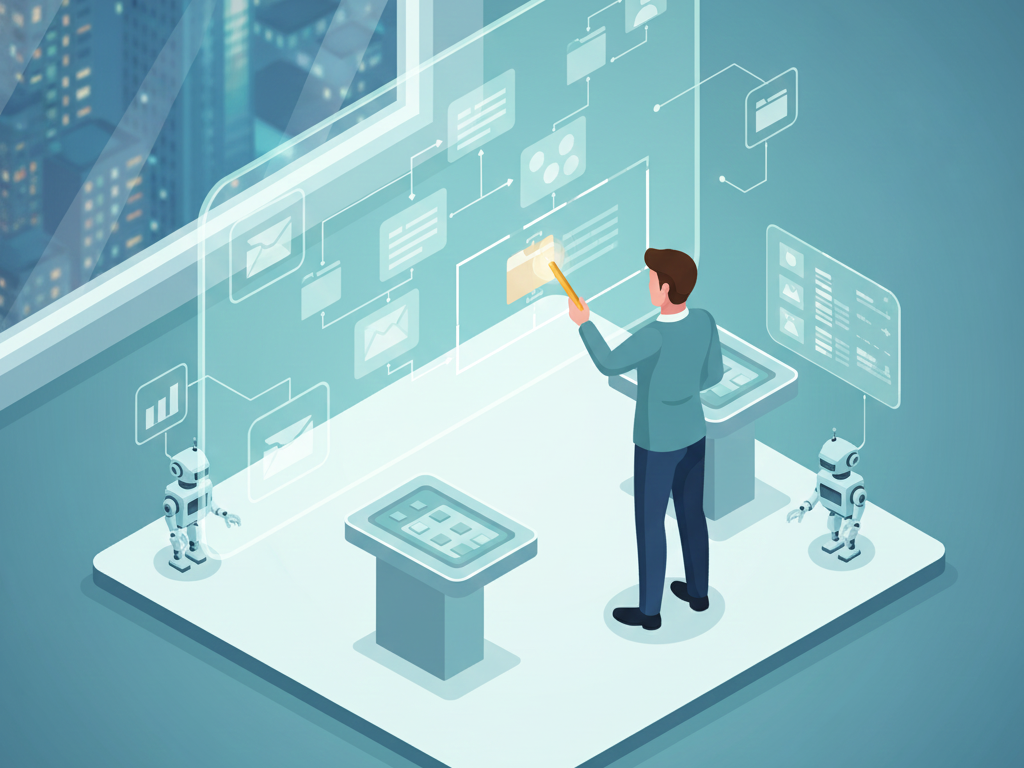
First, you must decide what your autonomous workflow should achieve. Why do humans need to set the big picture goals? Clearly, machines can follow steps, but they cannot dream or imagine new ideas. Therefore, your team must define the ultimate purpose of the automation.
Here are several ways humans set the stage for smart workflows:
Truly, human leaders give the machines a clear direction to follow. But, you must also listen to the ideas of your whole team. This keeps your plans fresh and helps everyone feel like a part of the future. It creates a very efficient and high standard for your new systems.
So, how do you make sure the AI agent knows exactly what to do? Truly, humans must teach the machines the right way to act. Consequently, you will spend time showing the AI what good work looks like. It acts as a teacher that guides a very eager student.
Here is how humans train the new autonomous agents:
Furthermore, this improves your search engine score by creating better, more accurate service. It makes your brand look very smart and ready for 2026 challenges. This ensures that your automated tasks work smoothly and correctly. It creates a very fast and clear path for your operational excellence.
The third phase looks at how humans watch over the automated systems. Clearly, machines can work alone, but they still need human oversight. Therefore, your team must act as guardians, ready to step in when needed.
Firstly, your staff must check the AI’s performance every day. This helps them spot any issues before they become big problems. Secondly, people must be ready to fix the system if it breaks or acts strangely.
Furthermore, humans review the AI’s results to make sure they are fair and accurate. Also, they update the rules if new information or laws come out. Lastly, remember that constant monitoring helps your search engine trust and customer loyalty. Truly, humans are the safety net for all autonomous workflows. It allows you to trust the machines while keeping a hand on the wheel. This is why top firms have dedicated teams watching their AI systems.
The fourth phase addresses how humans push the boundaries of automation. Clearly, machines can repeat tasks, but they cannot invent truly new solutions. Therefore, your team must use their creativity to make the autonomous systems even better.
Firstly, your employees brainstorm new ways to use AI for better service. This helps your company find new markets and grow faster. Secondly, people identify tasks that can be automated next to save more time and money.
Furthermore, humans learn from the AI’s data to make better business choices. Also, they adapt the systems to meet changing customer needs. Lastly, check your search engine ranking to see how innovation impacts your market. Truly, human creativity is the spark that makes automation truly powerful. It turns a good system into a great one that constantly improves. This ensures your business stays competitive and leads the way in 2026.
Building successful autonomous workflows means using the best of both worlds. It needs you to combine the speed of machines with the wisdom of humans. Clearly, a truly smart system uses both strengths together for the best results. Therefore, follow these simple tips to create effective human-AI partnerships.
Firstly, define clear roles for both humans and AI in every task. This helps everyone know their part and work together smoothly. Secondly, build easy ways for humans to give feedback to the AI.
Furthermore, invest in training for your team on how to work with smart machines. Also, celebrate successes that come from human-AI teamwork. Lastly, check your search engine data to see how this hybrid approach affects your brand. Truly, designing autonomous workflows where humans still matter leads to more success. It builds a path of innovation that helps your team grow very fast. This secures your future in the digital world for a long time.
No, they will change jobs. Humans will focus on tasks like strategy, creativity, and oversight, while AI handles repetitive work.
Humans design ethical rules for the AI, monitor its behavior, and intervene if it makes unfair decisions.
Yes, efficient and innovative businesses often have better online presence and higher search engine trust.
They are systems where AI and automation handle many tasks with little human input, but humans still guide the overall process.
They should learn to manage AI, solve complex problems, think creatively, and communicate effectively with both humans and machines.
Also Read: How to use LLM-powered RPA for smarter tasks
